
OUR VISION
Using science and nature to clean soils efficiently, safely and sustainably
We aim to make in situ biological soil remediation the standard solution for polluted sites across Europe, restoring soils sustainably, affordably and efficiently, while reducing emissions and preserving biodiversity.
Our goal is to demonstrate and validate a biological alternative technique to traditional soil remediation that:
- Avoids excavation and landfilling
- Uses fungi and bacteria to degrade contaminants
- Reduces energy and carbon footprints
- Supports EU goals for soil health, sustainability and circular economy.
KEY DATA
- Start-end date: September 2025 - August 2029
- Funded under: LIFE Programme of the European Union
- Overall budget: 1.929.980,40€
- EU contribution: 1.157.988,24€
- Reference: LIFE24-ENV-ES-InBioSoil/101215446
How we work
Low-pressure injection system
Delivers fungal spores, microbial nutrients and biosurfactants evenly throughout the unsaturated soil, ensuring effective contact with contaminants and promoting degradation.
Mycoremediation
Uses selected fungal species capable of degrading complex organic compounds such as hydrocarbons and polycyclic aromatic hydrocarbons (PAHs) through enzymes, enhancing native microbial communities.
Biostimulation and biosurfactants
Stimulates indigenous microorganisms by adjusting oxygen, nutrients and moisture levels, while biosurfactants increase pollutant bioavailability and improve degradation efficiency.
Predictive functional genomics
Applies advanced sequencing tools to predict microbial degradation potential, accelerate lab-scale optimization, and adapt strategies for different soil types.
Demonstration and validation
Two large-scale pilot sites in Spain and Belgium will validate the approach, enabling replication across Europe under diverse environmental and industrial contexts.
Background
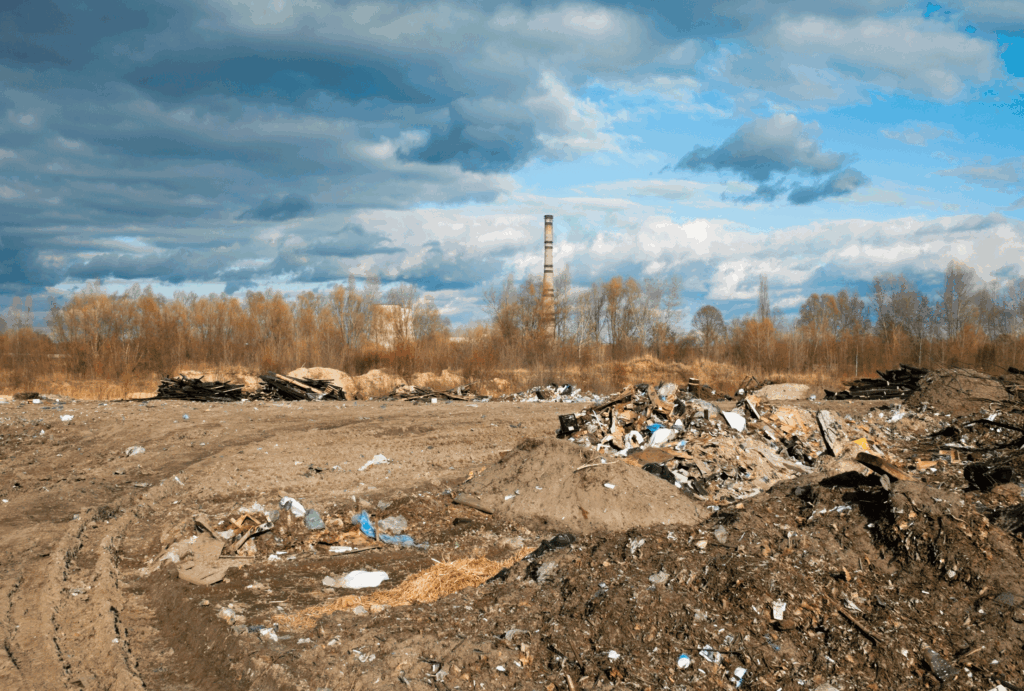
Soil contamination poses serious environmental, economic, and social challenges. Many industrial areas still contain persistent pollutants, chemicals that remain in the environment for years, harming ecosystems, agriculture and human health.
Traditional cleaning methods, such as excavation or thermal treatments, are expensive, consume large amounts of energy and can damage the soil’s structure.
LIFE InBioSoil takes a different approach. It uses nature-based solutions, such as beneficial fungi, bacteria and biosurfactants,combined with low-pressure injection technology that delivers these agents directly into the contaminated soil.
This allows the soil’s own microorganisms to do the work, transforming pollutants into harmless compounds and helping the land recover its natural balance.
Project timeline
InBioSoil project follows this timeline (2025- 2029):
- Laboratory studies and optimisation
- Design and preparation of pilot sites
- Full-scale field demonstration
- Data analysis, evaluation and replication guidelines